
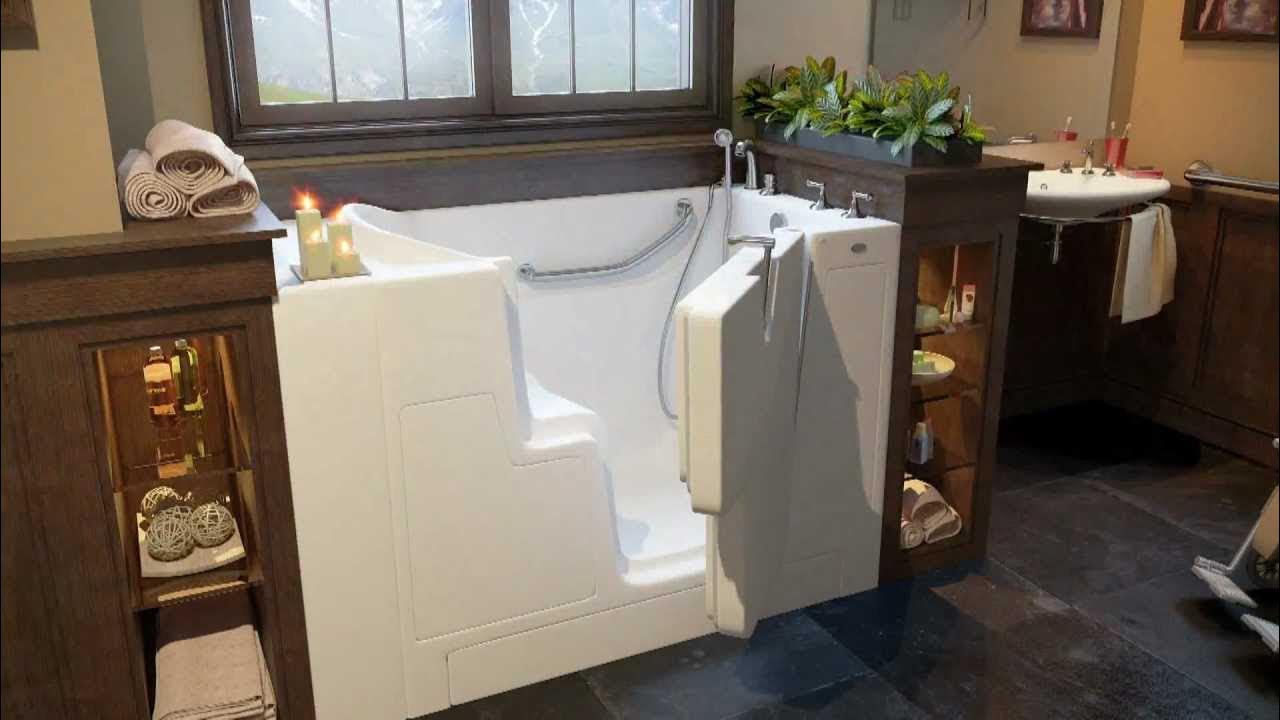
Easily Accessible Walk-In Showers: Comfort, Safety, and Modern Bathroom Design
A bathroom should be a comfortable and relaxing space where everyone can maintain their daily routine with confidence. However, traditional bathtubs and high shower thresholds can make bathing difficult for older adults, people with limited mobility, and individuals recovering from an injury. Easily accessible walk-in showers offer a practical solution by creating a safer, more convenient, and stylish bathing environment without compromising modern bathroom design.
Whether you are updating an existing bathroom or planning a complete renovation, an accessible walk-in shower can improve everyday comfort, simplify cleaning, and make your bathroom more functional for years to come.
What Are Easily Accessible Walk-In Showers?
Easily accessible walk-in showers are designed to make entering, exiting, and using the shower easier. Unlike traditional tubs that require users to step over a high edge, these showers typically feature a low-threshold or curbless entry. This design helps reduce common bathing difficulties and creates a more open bathroom layout.
Depending on your needs, an accessible shower may include a built-in bench, grab bars, handheld showerheads, slip-resistant flooring, and easy-to-reach controls. These features can be customized to suit different mobility levels, bathroom sizes, and personal preferences.
Benefits of Installing an Accessible Walk-In Shower
1. Improved Safety and Stability
Slippery bathroom surfaces and high bathtub edges can increase the risk of slips and falls. An accessible walk-in shower can help minimize these hazards through thoughtful design and carefully selected materials.
Slip-resistant flooring, securely installed grab bars, and properly positioned seating provide additional support during bathing. A low or zero-threshold entrance can also make it easier to enter and exit the shower. Although these features help improve safety, proper installation and regular maintenance remain essential.
2. Greater Independence for Daily Bathing
Maintaining independence is important for people of all ages. Walk-in showers can make daily bathing more manageable for older adults, individuals with disabilities, and people experiencing temporary mobility challenges.
Features such as handheld showerheads, adjustable controls, and built-in seating allow users to customize the shower to their comfort level. With the right layout, many people can enjoy a more convenient bathing experience while reducing the need for assistance.
3. A Modern and Spacious Bathroom Appearance
Accessible bathroom features do not have to look clinical or outdated. Today’s walk-in showers are available in a variety of attractive styles, colors, finishes, and materials.
Frameless glass panels, elegant wall tiles, neutral colors, and minimalist fixtures can create a clean, contemporary appearance. Curbless designs can also make a small bathroom feel more open by reducing visual barriers between the shower and the rest of the room.
4. Easier Cleaning and Maintenance
Traditional showers with multiple corners, bulky frames, and difficult-to-reach areas can require frequent cleaning. Many accessible walk-in showers feature streamlined surfaces that make routine maintenance easier.
Large-format tiles, quality wall panels, and simple glass enclosures can help reduce cleaning effort. Choosing durable, moisture-resistant materials also helps maintain the shower’s appearance over time. Proper waterproofing, drainage, and ventilation are important for preventing moisture damage and mold growth.
Essential Features of an Accessible Walk-In Shower
Choosing the right features can make a significant difference in the usability of your new shower.
- Low-threshold or curbless entry: Helps reduce the need to step over a raised barrier.
- Slip-resistant flooring: Provides better traction when the floor is wet.
- Grab bars: Offer additional support when entering, exiting, or moving within the shower.
- Built-in or fold-down seating: Provides a convenient place to sit while bathing.
- Handheld showerhead: Makes rinsing easier while standing or sitting.
- Easy-to-use controls: Lever-style handles and accessible control placement can simplify temperature adjustments.
- Adequate shower space: Allows comfortable movement and may accommodate mobility aids when designed appropriately.
- Effective drainage and waterproofing: Help manage water and protect surrounding floors and walls.
For wheelchair users or people with significant mobility needs, the shower dimensions, turning space, entrance width, and placement of fixtures should be planned carefully.
How to Choose the Right Walk-In Shower for Your Home
Before selecting a shower design, consider who will use it and what features will provide the greatest benefit. A homeowner looking for easier everyday access may need a simple low-threshold shower, while someone using a wheelchair may require a larger, barrier-free design.
Next, evaluate your available bathroom space, plumbing arrangement, ventilation, and flooring. A professional installer can assess whether a curbless shower is suitable for your existing structure and determine the drainage and waterproofing requirements.
It is also helpful to establish a budget before choosing materials and accessories. Basic upgrades may be less expensive than a complete bathroom renovation, while custom tilework, structural changes, specialized seating, and accessible plumbing fixtures can increase the overall cost.
Prioritize essential safety features first, then select finishes and design details that match your personal style. If accessibility standards apply to your project, make sure the design follows the relevant local requirements.
Why Professional Walk-In Shower Installation Matters
Even a beautifully designed shower can create problems if it is installed incorrectly. Poor waterproofing, inadequate drainage, unstable grab bars, and improperly sloped flooring can lead to leaks, water damage, or safety concerns.
Professional installation helps ensure that the shower base, drainage system, wall surfaces, and fixtures work together correctly. An experienced installer can also recommend practical layouts, durable materials, and accessibility features suited to your household’s needs.
Before starting the project, discuss your mobility requirements, preferred design, maintenance expectations, and budget with your contractor. Careful planning can help prevent expensive changes and deliver a shower that remains comfortable and functional over time.
Upgrade Your Bathroom With an Accessible Walk-In Shower
Easily accessible walk-in showers combine practical functionality with modern style. From low-threshold entrances and slip-resistant flooring to comfortable seating and convenient handheld showerheads, the right design can make everyday bathing easier and more comfortable.
Whether you are planning for aging in place, improving bathroom accessibility, or simply creating a more convenient space, investing in a well-designed walk-in shower can be a valuable home improvement.
Ready to make your bathroom safer and more accessible? Explore walk-in shower options that fit your space, lifestyle, and budget, and consult a qualified professional to plan an installation that delivers comfort, functionality, and lasting value.